info©residenzegregoriane.com
Tivoli... and surroundings
A territory rich in charm and culture. If you stay several days in Tivoli, you can reach enchanting places full of history, frozen in time, in just a short time and a few kilometers. A little-known tourism, all to be discovered and visited among ancient towns, places that have witnessed history, and medieval villages.

Ciciliano


Trebula Suffenas
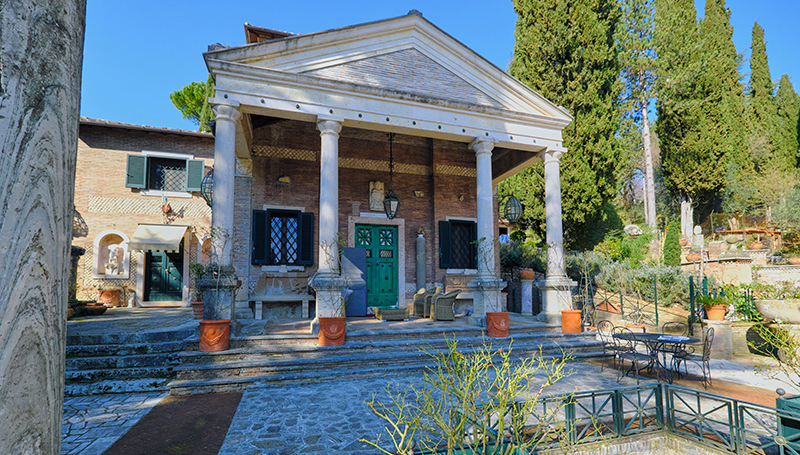
Ancient city of Roman times, it is an archaeological site dating back to the 1st century BC. Trebula was conquered by the Romans at the end of the 4th century BC and at the beginning of the 1st century BC it was made a Municipality and grew in importance, protected by the noble family of the Plautii Silvani who boasted close ties with the imperial family of Augustus. You can admire large stretches of roads, a paved square bordered by a wall in opus quadratum (probably the Forum), and a series of buildings belonging to a domus dating from the Republican age to the end of the Empire. There is also a bath complex consisting of a series of rooms, the most important of which is an apsidal hall whose walls were covered in marble and the floor, in black-and-white mosaic, was decorated with mythological scenes and sea monsters; a section of it was detached and placed for many years in front of the Proserpina fountain at Villa d’Este in Tivoli.
Via Rocca d'Elci 2 - Ciciliano
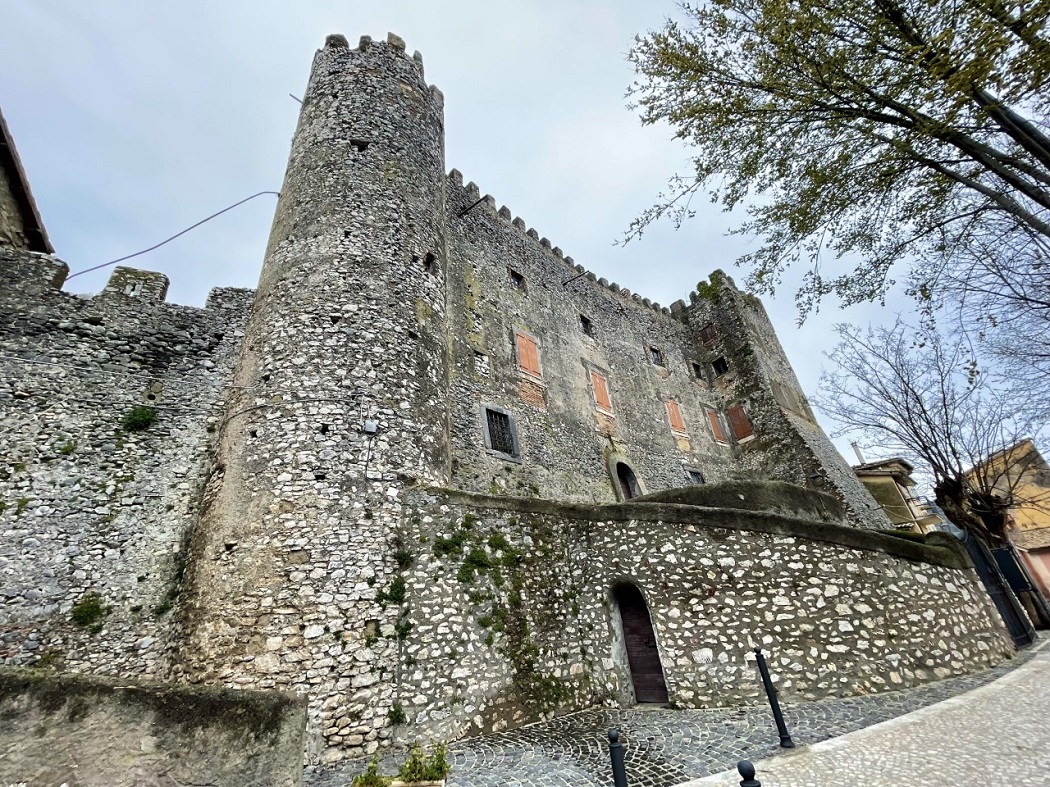
Theodoli Castle
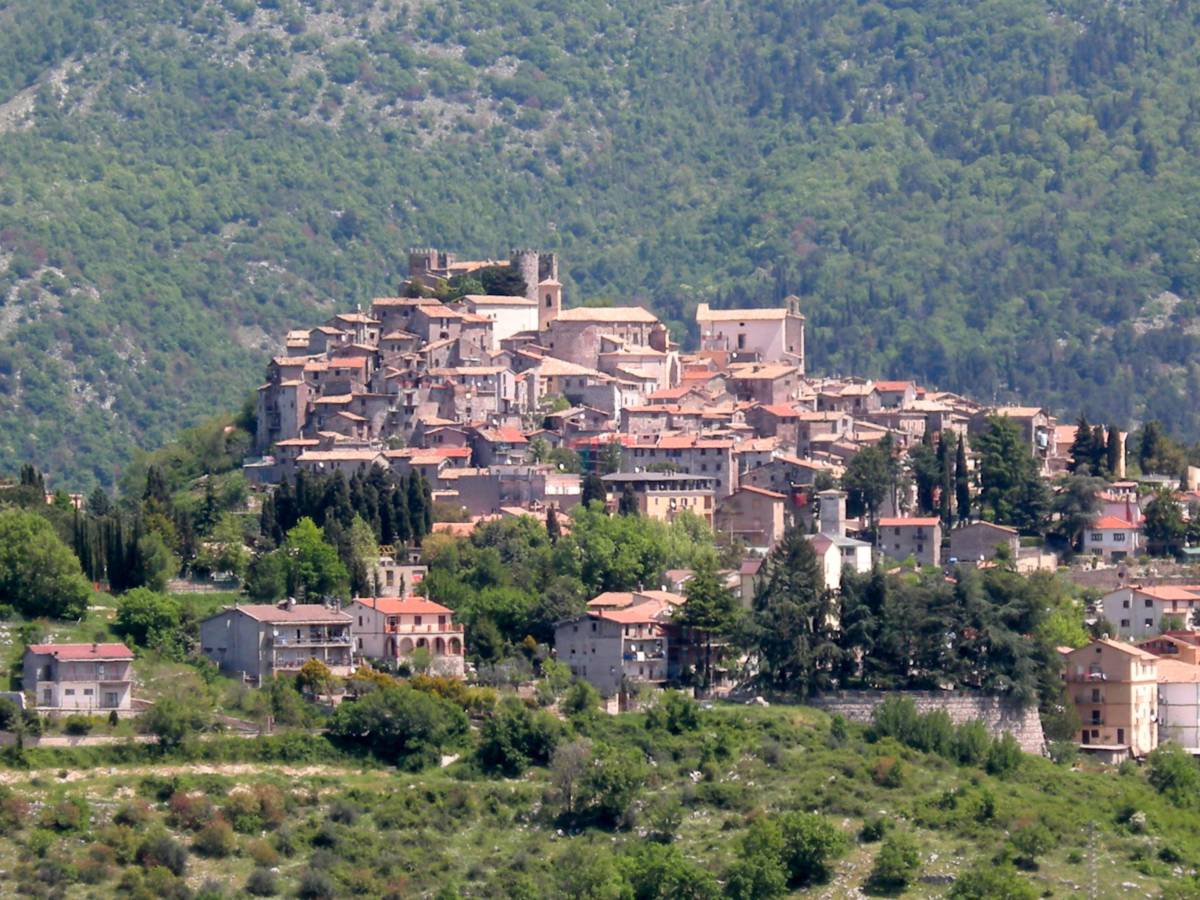
The medieval village of Ciciliano
First mentioned in the year 1000, when a document certifies its transfer to the Abbey of Subiaco, it was likely already built about a century earlier. It belonged to the Colonna family and from the late fifteenth century to the papacy, but after the death of Alexander VI Borgia (1496-1503), who had given it to his children Cesare and Lucrezia, it returned to the important Roman family. In the 16th century it belonged to the Farnese, then again to the Colonna, and from 1563 to the Massimo family, before passing, in 1576, to the Theodoli family who still own it today.
A small ancient gem, perched with alleys, stairways, little squares, stone houses and portals that lead to the Theodoli Castle, at the highest part of the village.
Among the most interesting buildings, besides the medieval castle, are the Church of Santa Maria Assunta in Cielo, from the 16th century, and the beautiful Church of Santa Liberata, which preserves in the apse area a fine cycle of frescoes from the school of Antoniazzo Romano. It is lovely to stroll through the ancient streets of the town.
Subiaco and the Sacred Cave of Saint Benedict


The monastery
The sacred cave
The San Benedetto pond
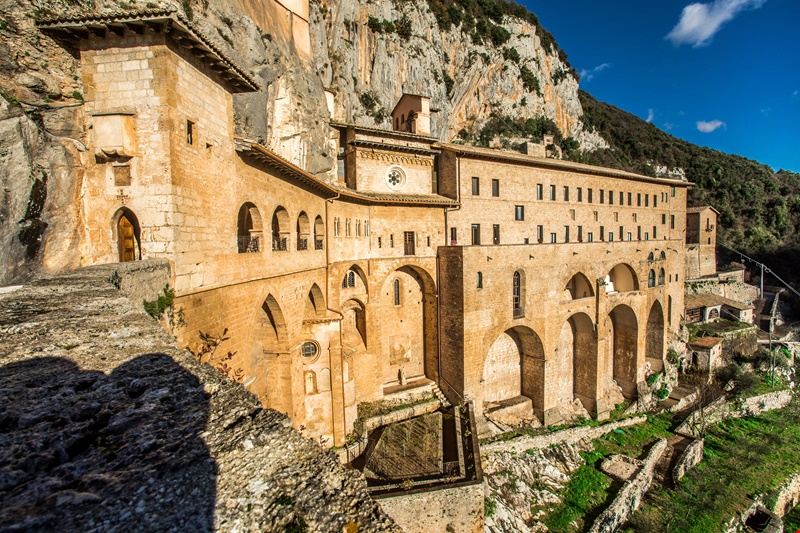
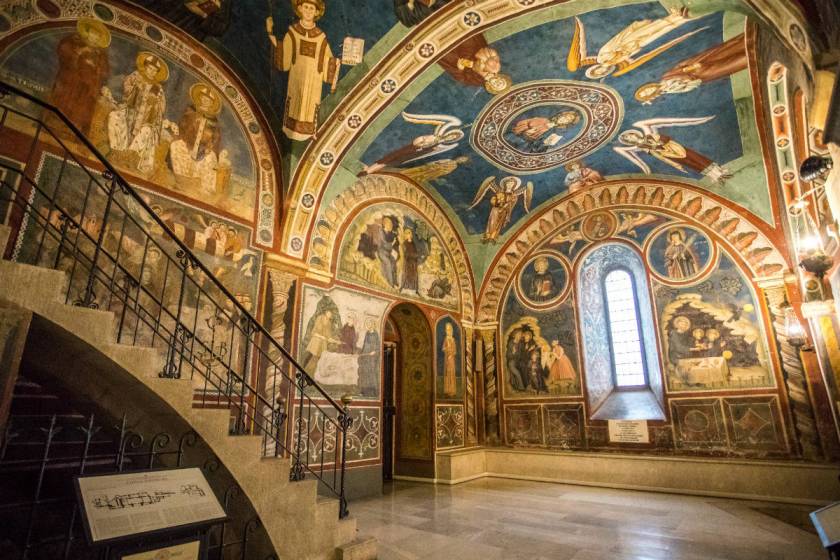
The Monastery of San Benedetto is one of the most significant spiritual places for the Church. Built almost a thousand years ago, its purpose is to guard the cave where the young Benedict of Norcia spent a period of hermit life before dedicating himself to cenobitic life.
The Sacro Speco is a highly evocative complex consisting of two superimposed churches and several chapels overhanging Mount Taleo. You enter the monastery through a narrow gallery adorned with frescoes from the first half of the 16th century by the school of Perugino.
On the side walls there is a cycle of frescoes whose scenes narrate key episodes from the life of Saint Benedict. At the end of the first flight of stairs is the entrance to the Sacro Speco, the cave where the young Benedict lived for three years, as commemorated by the statue by the sculptor Raggi (1657). Of notable importance is also a famous fresco of Saint Francis of Assisi portrayed during one of his visits to the monastery, without stigmata or halo, an authentic painting and therefore created while the Saint was still alive.
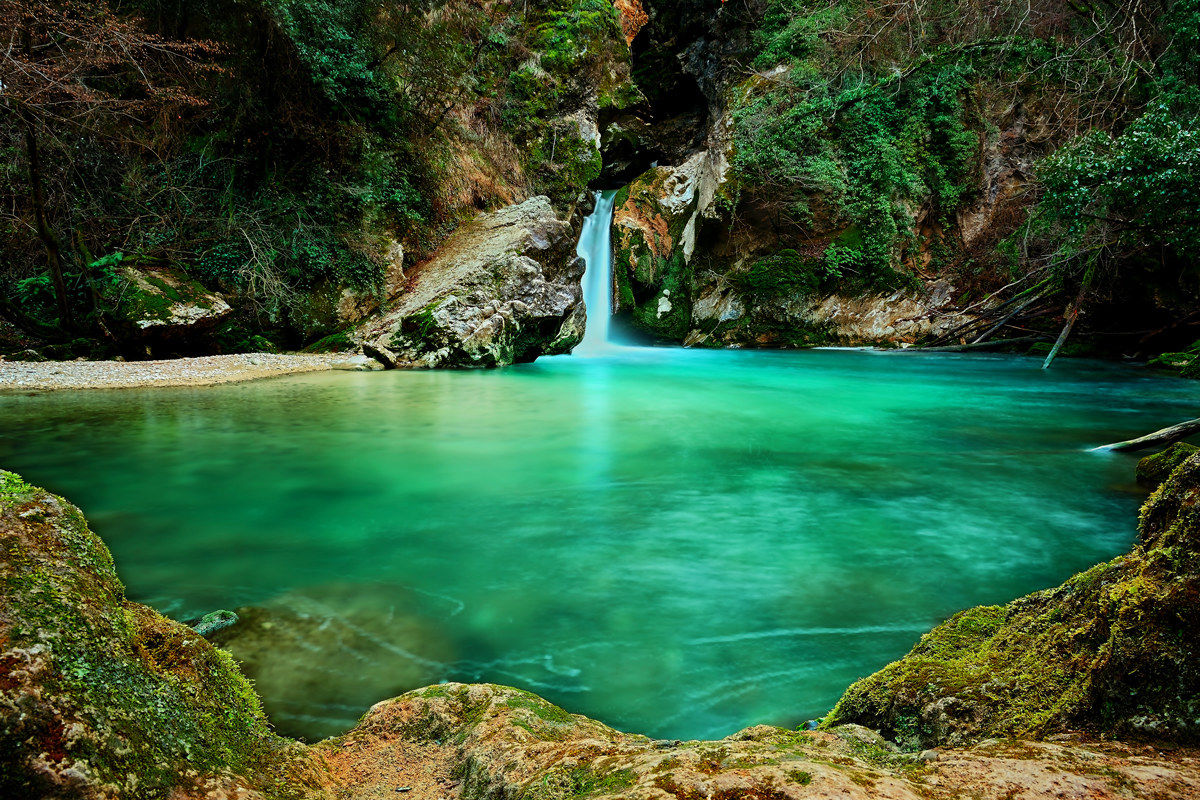
The San Benedetto pond is without a doubt one of the coolest and most evocative destinations in Lazio.
It originates from the Aniene river, which begins in Subiaco, in a narrow and deep gorge just a few kilometers from the town center. Characterized by its roaring natural waterfall, the pond is located near the ruins of Nero's Villa and the Monastery of Santa Scolastica before the Sacro Speco.
info©residenzegregoriane.com